Svalbard High-Arctic Fjords
Kongsfjorden, Svalbard, Norway (79°N) · Arctic & Subarctic · polar
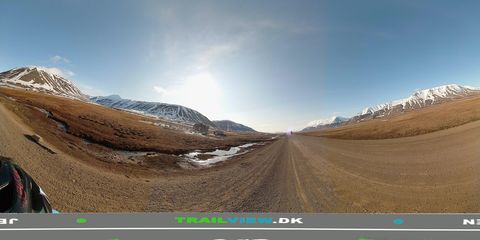
About this place
Survey High-Arctic fjord glaciers at 79°N where sympagic ice algae, ringed seals, and polar photoperiods govern life.
For kids: Explore a land where the sun shines at midnight in summer and tiny ice plants feed seals and whales!
Svalbard High-Arctic Fjords · 360° Habitat Camp
What to look for
- Tidewater glacier wall — Subglacial meltwater plume. Centre the tidewater glacier terminus where subglacial plumes surface
- Floating brash & floe ice — Pusa hispida haul-out ice. Locate the drift-ice floes used by ringed seals for moulting and pupping
- Arctic seabird talus peaks — Alle alle guano fertilization. Scan the frost-shattered mountain slopes enriched by seabird marine nutrients
Source: Leu et al. (2011), Progress in Oceanography — Sympagic ice-algal bloom timing & High-Arctic copepod match-mismatch.
Ask together: How would your bedtime feel if the sun stayed bright in the sky at midnight for four whole months?
Field quiz
Kids' question: Where does the tiny green 'meadow' that feeds Svalbard's sea animals grow in spring?
- Upside-down on the bottom of sea ice
- On top of dry clouds
- Deep inside hot volcanoes
Answer
Upside-down on the bottom of sea ice
Adults' question: Why do Svalbard reindeer remain active on snowy slopes during months of total Polar Night?
- Seasonal shift of tapetum lucidum from gold to deep blue boosting UV sensitivity
- Echolocation clicks bounced off crusted snow
- Infrared pit organs along the muzzle
- Complete winter hibernation under glacial moraines
Answer
Seasonal shift of tapetum lucidum from gold to deep blue boosting UV sensitivity
360° photo: jenspeterhansen, CC BY-SA 4.0
See it live: Live check: Arctic Sea-Ice Bear Watch
- By day
- Polar bears scanning sea ice, Arctic foxes, and tundra ptarmigan Compare Svalbard's extreme 79°N photoperiod in your journal telemetry with live Hudson Bay sea-ice conditions.
- By night
- Snow-bedded polar bears & subarctic night sky glow Radiative cooling on cloudless polar nights plunges surface snow temperatures while marine leads release heat plumes.
Other language: Русский