Marlborough Sounds Forest Penguins
Queen Charlotte Sound / Tōtaranui, Marlborough Sounds, New Zealand · Oceania · wetland_coast
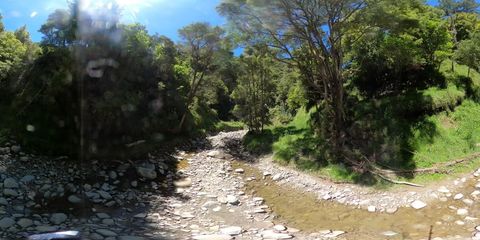
About this place
Investigate drowned ria geomorphology, forest-floor kororā nesting ecology, and seabird-driven marine-to-terrestrial nutrient subsidies.
For kids: Explore emerald sunken river valleys where little penguins cozy up right under giant silver tree-ferns in the forest!
Marlborough Sounds Forest Penguins · 360° Habitat Camp
What to look for
- Silver-fern & root-hollow penguin nest — Alsophila dealbata forest-floor burrow. Centre the coastal broadleaf-fern understory where kororā excavate root burrows
- Sheltered emerald ria inlet — Tectonic subsidence & post-glacial ria. Locate the sheltered ria channel where Cook Strait currents feed baitfish schools
- Guano-enriched beech & bellbird canopy — Marine δ15N soil-to-canopy trophic cascade. Scan the coastal forest canopy fertilized by burrowing seabird marine nutrients
Source: Fukami et al. (2006), Ecology Letters & Mulder et al. (2011) — Seabird-driven marine nutrient subsidies shaping New Zealand coastal forest ecosystems.
Ask together: Most people picture penguins standing on snowy white ice—why do New Zealand's forest penguins love nesting under shady green tree-ferns instead?
Field quiz
Kids' question: How did the winding emerald waterways of the Marlborough Sounds originally form?
- Ancient river valleys gently sank and filled with calm turquoise ocean water!
- Giant whales dug trenches with their tails
- Meteor craters lined up in neat zigzags
Answer
Ancient river valleys gently sank and filled with calm turquoise ocean water!
Adults' question: How do burrowing penguins and shearwaters reshape coastal forest food webs across New Zealand sanctuary islands (Fukami et al., 2006)?
- Importing marine nitrogen/phosphorus via guano and aerating soil through burrowing, multiplying litter fauna and canopy productivity
- Stripping all bark off southern beech trees to weave floating rafts
- Salting the topsoil until only desert cacti survive
- Consuming all forest earthworms during winter hibernation
Answer
Importing marine nitrogen/phosphorus via guano and aerating soil through burrowing, multiplying litter fauna and canopy productivity
360° photo: Awamoanaservices, CC BY-SA 4.0
See it live: Live check: New Zealand Kororā Little Penguin Chick Cam
- By day
- Downy chocolate-brown kororā chick snoozing or stretching inside cozy nest burrow Notice juvenile mesoptile down insulation; chicks cannot enter cold sea water until replacing down entirely with interlocking blue-and-white contour plumage.
- By night
- Returning adult kororā parents delivering evening fish meals & mutual flipper-waving songs Both parents alternate offshore foraging trips during the post-guard phase, triggering begging chirps and cross-bill regurgitation inside the dark burrow.
Other language: Русский