Florida Cypress & Spoonbills
Florida Wetlands & St. Augustine Rookery, USA · North America · wetland_coast
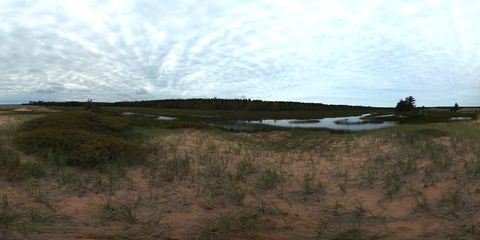
About this place
Analyze Alligator mississippiensis dry-season refugia, rookery security, and Platalea ajaja mechanoreception.
For kids: Wade into mossy cypress swamps where bright pink spoonbill birds catch fish in muddy water purely by touch!
Florida Cypress & Spoonbills · 360° Habitat Camp
Analyze Alligator mississippiensis dry-season refugia, rookery security, and Platalea ajaja mechanoreception. Augustine Rookery, USA to log three ecological targets and answer the research question.
What to look for
- Alligator dry-season oasis pool — Alligator mississippiensis gator hole. Centre the excavated limestone basin holding dry-season water for marsh fishes
- Spoonbill tactile sweeping flat — Platalea ajaja Herbst corpuscle foraging. Locate the shallow littoral margin swept by tactile-foraging roseate spoonbills
- Bald cypress bodyguard rookery — Taxodium distichum nest-protector guild. Scan the cypress canopy where nesting herons, egrets, and spoonbills recruit alligator guards
Source: Nell et al. (2016), PLOS ONE; Kushlan (1974), Ecology — Alligator rookery bodyguard mutualism & tactile spoonbill foraging.
Ask together: Why would a mother spoonbill or heron purposely build her nest in branches directly above waiting alligators?
Field quiz
Kids' question: How does a roseate spoonbill catch tiny fish in cloudy swamp water where eyes can't see?
- Touch sensors inside its spoon-shaped beak snap shut the instant a fish brushes by!
- It shines a glowing flashlight from its feathers
- It asks frogs for directions
Answer
Touch sensors inside its spoon-shaped beak snap shut the instant a fish brushes by!
Adults' question: Why do spoonbills, wood storks, and egrets preferentially establish breeding colonies directly above resident alligators?
- Alligators deter arboreal mesopredators like raccoons and opossums from swimming out to raid nests
- Alligators incubate bird eggs inside warm mud mounds
- Cypress trees only grow on alligator backs
- Birds eat alligator scales for calcium
Answer
Alligators deter arboreal mesopredators like raccoons and opossums from swimming out to raid nests
360° photo: NPS Photo, Public domain
See it live: Live check: Florida Spoonbill & Alligator Swamp Cam
- By day
- Wild roseate spoonbills, snowy & great egrets, wood storks, & basking alligators Wild free-flying roseate spoonbills, tricolored herons, and wood storks actively select this predator-moated lagoon each spring.
- By night
- Roosting pink spoonbills in swamp trees, black-crowned night-herons, & treefrogs At dusk, big-eyed black-crowned night-herons replace diurnal egrets along the shallow water's edge in temporal niche partitioning.
Other language: Русский