Congo Basin Peaceful Bonobos
Lukaya Forest Valley, Kinshasa, DR Congo · Africa · rainforest
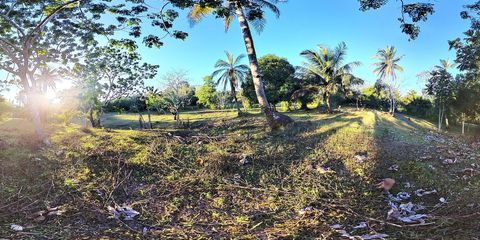
Congo Basin Peaceful Bonobos · 360° Habitat Camp
What to look for
- Swinging liana & fruit highway — Arboreal suspensory brachiation corridor. Scan the liana-linked canopy used for agile suspensory travel and fruit sharing
- Forest stream of the Congo basin — Congo River allopatric speciation barrier. Centre the riverine margin illustrating the Congo River biogeographic barrier
- Abundant forest-floor herb glade — Terrestrial herbaceous vegetation (THV). Locate the dense terrestrial herbaceous patch enabling stable female associations
Source: Tan & Hare (2013), PLOS ONE & Prüfer et al. (2012), Nature — Xenophilic prosociality, female coalitions & genomic divergence in Pan paniscus.
Ask together: How did one wide, deep river that apes cannot swim across end up helping create a whole peaceful species?
Field quiz
Kids' question: Who leads the family group and keeps the peace inside a bonobo community?
- Wise mothers and grandmothers working together as best friends
- A single grumpy alligator in the river
- Tiny colorful butterflies
Answer
Wise mothers and grandmothers working together as best friends
Adults' question: According to the ecological foraging hypothesis (Wrangham, 1986; Prüfer et al., 2012), what enabled female dominance and low lethal aggression in Pan paniscus?
- Year-round terrestrial herbaceous vegetation south of the Congo River enabling cohesive female alliances
- Sub-zero alpine snowpack forcing winter huddling
- Exclusive reliance on hunting large savanna antelopes
- Solitary territorial lifestyles with zero vocal communication
Answer
Year-round terrestrial herbaceous vegetation south of the Congo River enabling cohesive female alliances
360° photo: AntRAKOTO, CC BY-SA 4.0
See it live: Live check: Lola ya Bonobo Rainforest Sanctuary Cam
- By day
- Bonobo troops climbing, grooming, sharing fruit & wading in forest streams
- By night
- Tree-nested bonobos & equatorial Congo cicada and frog biophony Lola ya Bonobo spans 30 hectares of primary Lukaya valley forest and pioneers reintroduction of rehabilitated troops into Ekolo ya Bonobo.
Other language: Русский