Appalachian Velvet-Antler Elk
Benezette, Pennsylvania Wilds, Appalachians, USA · North America · temperate_forest
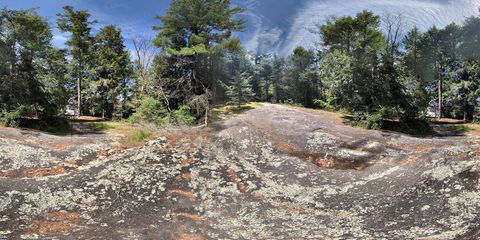
About this place
Study Cervus canadensis vascularized velvet-antler osteogenesis and dual-register autumn bugle bioacoustics.
For kids: Listen to musical autumn bugle calls and marvel at antlers that grow as fast as a ruler edge every two weeks!
Appalachian Velvet-Antler Elk · 360° Habitat Camp
What to look for
- Misty clover bugling meadow — Biphonic vocalization arena. Centre the valley meadow amplifying biphonic autumn bugle displays
- Oak & maple antler-polishing edge — Neural-crest velvet osteogenesis. Locate hardwood saplings rubbed as calcified antlers shed summer velvet
- Restored Allegheny oak ridge — Quercus mast & mine-land reclamation. Scan the oak-hickory ridge restored from historic coal lands into prime elk range
Source: Li et al. (2014), Anatomical Record; Reby et al. (2016), Journal of Experimental Biology — Antler stem-cell osteogenesis & biphonic elk bugles.
Ask together: Why would a bull elk drop his giant heavy antlers in late winter and grow a brand-new pair from scratch every single spring?
Field quiz
Kids' question: What covers a bull elk's fast-growing new antlers all summer to feed them nutrients?
- Soft, fuzzy skin called 'velvet' packed with tiny blood vessels
- Shiny green tree leaves
- Hard turtle shells
Answer
Soft, fuzzy skin called 'velvet' packed with tiny blood vessels
Adults' question: How does a 350 kg bull elk produce a piercing 2 kHz whistle despite possessing massive, low-frequency vocal folds?
- Biphonic aerodynamic whistling mixed simultaneously with low laryngeal vocal-fold vibration
- Inhaling helium from Appalachian limestone caves
- Clicking hollow antler tips together in wind
- Shrinking the larynx tenfold every September
Answer
Biphonic aerodynamic whistling mixed simultaneously with low laryngeal vocal-fold vibration
360° photo: NPS Photo, Public domain
See it live: Live check: Pennsylvania Elk Country Cam
- By day
- Eastern elk herds grazing clover, wild turkeys, white-tailed deer, & bluebirds Managed clover-chicory food plots at Winslow Hill concentrate multi-generational cow-calf groups and bachelor bulls in spring and autumn.
- By night
- Dawn & dusk elk silhouettes, barred owls calling, & fireflies in summer Crepuscular foraging peaks at dawn and dusk minimize thermal heat load once thick winter coats grow in.
Other language: Русский